

Physical security teams now carry more responsibility than they did five years ago.
Monitoring cameras and managing access points remain core to the role. But organizations increasingly expect their security infrastructure to contribute to how the business operates, not only to what it watches.
The question driving that expectation is direct: if all these devices are connected, what is the information they produce actually worth?
Device Management and Operational Value Are Not the Same Thing
For most of the industry’s history, the measure of a security platform was whether everything was connected and running. Cameras online. Access points configured. Alerts coming in. That is still necessary. It is no longer sufficient.
What organizations ask now is different. They want to know what the system tells them, not only that it works. When an incident occurs, they expect the platform to surface the relevant information immediately, rather than requiring operators to pull it manually from separate systems. When operators need to make a decision, they want data from across the environment already in front of them, not sitting in separate platforms waiting to be retrieved.
This pattern is not unique to physical security. Across industries, connected devices have moved from being an end in themselves to being a means to operational insight. Physical security is arriving at the same point.
What Changes When the Platform Is Unified
When video management, access control, intrusion detection, connected devices, incident management, and reporting operate in a single platform, the nature of what operators work with changes.
Instead of checking multiple systems and assembling a picture manually, operators work with a picture that is already assembled. An access event connects to the corresponding camera view. An intrusion alert appears on a map alongside the relevant video. An incident generates a report from one record rather than from separately maintained logs.
Broader device connectivity extends this further. Building systems, environmental sensors, and other connected infrastructure can feed into the same platform. The security environment and the operational environment begin to share a common picture, and the platform delivers value across both.
That changes what security infrastructure means to an organization.
SMOC and the Direction the Industry Is Taking
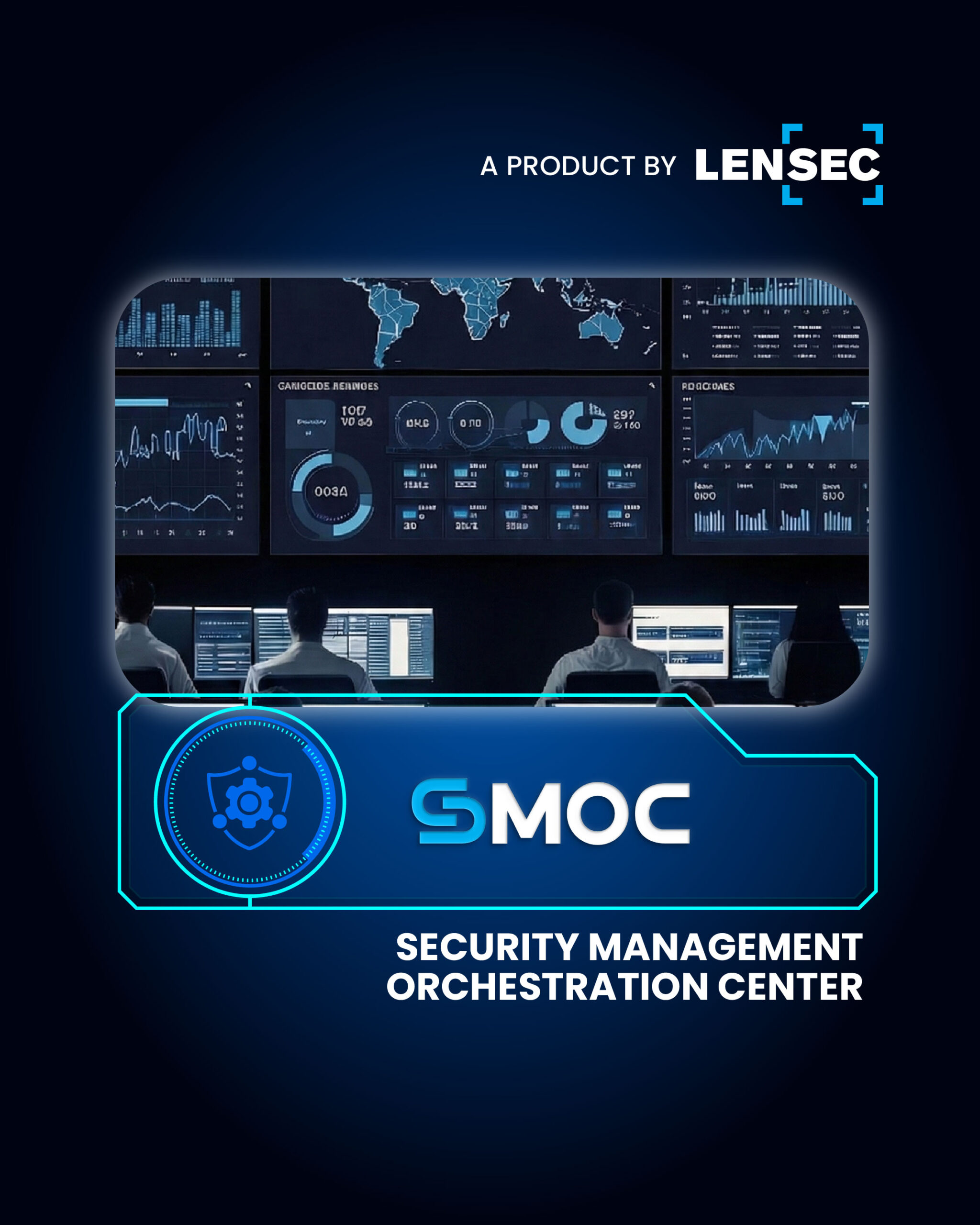
SMOC, LENSEC’s Security Management Orchestration Center, addresses this operating model directly. It brings video management, access control, IoT connectivity, intrusion detection, and incident management together in one interface, giving operators a unified view of their environment rather than a collection of separate system feeds.
The pace of change in security software is worth noting here. Technology cycles in this industry shift every one to three years. AI is compressing that window further. A platform centered on device management will need to adapt to keep pace. A platform built around operational intelligence is already oriented in the right direction.
LENSEC designed SMOC for the latter. The platform is not a response to where the industry is heading. It starts there.
Where This Leaves Security Teams
Physical security has always been about protecting what matters. The scope of what that means is expanding. Devices generate data. Connected environments create opportunities for insight. The organizations getting the most from their security infrastructure treat it as an operational layer, not only as a monitoring function.
That is the direction the industry is moving. Understanding it now gives security and IT leaders the context to make infrastructure decisions that hold up as the pace of change continues.
To learn more about SMOC and the LENSEC platform, visit www.lensec.com.